




Showing posts with label martial arts industry association. Show all posts

Tuesday, September 1, 2026

The Surprising History Behind Martial Arts Belt Systems

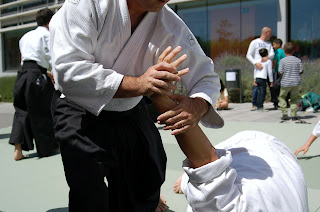
Two men doing martial arts at JMAC Ann Arbor.
Most students assume the belt system stretches back centuries. However, it’s fairly new. 

Traditional koryu bujutsu, the classical martial arts practiced before the end of the samurai era in 1868, never used a kyu/dan belt system. Instead, these systems relied on menkyo (“teaching licenses”), similar to collegiate-level degrees. 

Where the Belt System Actually Came From

Today’s kyu/dan system originated with Kano Jigoro, the founder of judo, following the abolition of the samurai class in the late 1800s. Kano had a merchant background, and his ranking system reflected a new, more accessible era for martial arts training. 

Why So Many Levels?

  • Kyu/dan system can include as many as ten kyu and ten dan levels. 
  • Menkyo’s licensing model has only three to five steps, similar to a bachelor's, master's, and doctoral degree.

As martial arts spread beyond a single ryu and single instructors, menkyo licensing didn’t provide a way to track and communicate incremental progress across a much wider, more varied group of students.

Why Organizations Rely on Kyu/Dan

Martial arts industry associations adopted a consistent, well-understood ranking structure across a broad and varied membership by moving from menkyo to kyu/dan. 

An Important Distinction

A martial arts industry association can certify rank within its own organization, but not within a specific ryu. That authority belongs solely to the current head of that tradition. What an association can offer instead is a documented, standardized rank based on a member's training, technical skill, and knowledge of their specific art.

Rank as a Practical Tool

Belt systems solved a coordination problem that emerged once martial arts moved beyond a single teacher and a single system. Today, they're used to recognize rank across martial arts, communicating at a glance roughly what a student has learned and how long they've trained. 

Learn More About Traditional Budo

Curious how Shudokan Martial Arts Association, a globally recognized martial arts industry association, structures rank across its jujutsu division and other traditions?

Read our latest article, or contact SMAA with questions.

Sunday, March 15, 2026

Unified Movement in Jujutsu and Judo: Shared Principles, Different Expressions

 Have you ever trained in jujutsu or judo and felt that the techniques made sense almost immediately?

 Have you noticed that balance, timing, and posture seem to matter more than strength, regardless of the rule set?

Many practitioners discover that jujutsu and judo, while outwardly different, are built on the same physical truths. This principle-based understanding is central to the teaching philosophy supported by the International Martial Arts Association, where martial arts are studied as interconnected systems rather than isolated styles.

Unified Movement in Jujutsu and Judo

At first glance, jujutsu and judo may appear distinct—one often associated with battlefield adaptability,
the other with sportive refinement. Yet both rely on identical foundational principles:

  • Efficient posture and alignment
  • The intelligent use of gravity and balance
  • Redirection rather than force-on-force resistance

In both disciplines, success depends on how well the practitioner can express energy through structure, not muscular strength alone. A throw in judo and a takedown in jujutsu may differ in execution, but both emerge from the same capacity to feel, disrupt, and reorganize an opponent’s center.

This shared movement logic highlights why cross-training often feels natural rather than contradictory. The body recognizes familiar patterns even when the outward form changes. Learn more in our latest article.

Why Jujutsu and Judo Move the Same Way

When viewed through the lens of unified movement, jujutsu and judo reveal themselves as variations on a shared foundation. Both rely on posture, balance, and intelligent energy expression to create effective technique without unnecessary force. This is why skills transfer so naturally between the two disciplines—the body recognizes what is fundamentally correct.

Explore more educational articles and martial scholarship through the SMAA Library to better understand how foundational principles unite jujutsu, judo, and other traditional disciplines—and how this knowledge can elevate your own training. 


Wednesday, May 15, 2024

Nurture the Body and Mind

Martial Arts Industry Association
Looking for a sport that focuses on both the body and mind?

What if I told you that there was a way to achieve the following characteristics?
  • Become happy and relieve stress
  • Lose weight
  • Gain fast twitch muscles, flexibility, and strength
  • Slow the aging process
  • Join a community of healthy, well-balanced people
  • Become more intelligent
You probably think you’re being sold a pill. That’s not the case. What I have compiled for you is a list of scientifically backed reasons why joining a martial art can help you. Whether you have “martial arts” written on your bucket list or keep a rack of black belts in your closet, doing martial arts today can benefit you greatly!

MARTIAL ARTS ENHANCE MENTAL PERFORMANCE

In an article from BotBot, studies showed an improvement in memory, enhanced problem-solving skills, and reduced risk of Parkinson’s or Alzheimer’s after taking part in an exercise regimen. The most effective types of exercises were aerobic and resistance-training methods, both of which can be found in the martial arts. What’s more, it doesn’t matter when you start. Exercise yields immediate cognitive improvements.

Martial arts are different from other forms of exercise, because a lot of it requires tactical thinking. This means an increase the brain’s ability to learn, or plasticity. Resistance training, flexibility or coordination, and aerobic movements all add up to enhanced brain plasticity.

BOOSTS YOUR MOOD AND RELIEVES STRESS

In Mihaly Csikszentmihalyi’s Flow, he describes how there is a state where an “optimal experience” or state of flow can happen. He cites martial arts as being “a specific form of flow” (Csikszentmihalyi 106) where “the warrior strives to reach the point where he can act with lightning speed against opponents, without having to think or reason about the best… moves to make” (106). This state of optimal experience is an accomplice in achieving happiness.

As with any exercise, it has psychological benefits. In an article on WebMD, researchers stated that regular exercise releases chemicals called endorphins. The endorphins affect the way your brain perceives pain, often triggering a positive feeling in the body. Not only do they act as analgesics (covering the feeling of pain), but they also act as sedatives. This means that the chemicals relieve stress, alleviate anxiety and depression, improve self-esteem, and act as a sleep-aid.

Get in Shape with a Martial Arts Industry Association!


Martial arts are beneficial, no matter where you’re coming from. Budo can prevent aging, such as muscle atrophy and illnesses. It improves your mental health by boosting your mood and relieving stress. You gain muscle, pump up your metabolism, and increase your flexibility. You improve your cognitive functions. You cultivate connections with like-minded, happy people.

To get started at a legitimate martial arts industry association, call 734-720-0330 or submit a contact form here.

Wednesday, May 1, 2024

Anti-Aging and Fitness in Martial Arts

Martial Arts Industry Association
Have you been looking for an enjoyable way to get in shape?

Not only are martial arts fun and exciting, but their benefits include anti-aging, weight loss, flexibility, and strength gain.

ANTI-AGING

A study that compared martial artists and sedentary 40- to 60-year-olds concluded, “The results provide evidence that…. training is an effective intervention that may reduce or prevent [the] declines associated with normal aging” (Douris et al 146).

In the study, martial art practitioners were more flexible, had better muscle strength and endurance, and improved balance. They also tended to have a lower body fat percentage.

Because training in martial arts has cardiovascular benefits, fewer of the martial artists had heart diseases, compared to the group that didn’t practice martial arts. The sedentary lifestyle and high body fat percentage that leads to hypertension, diabetes, and other illnesses did not affect the martial arts practitioners.

WEIGHT LOSS, FLEXIBILITY, AND STRENGTH GAIN

One acronym: HIIT. High intensity interval training means doing periods of short, intense anaerobic exercise. It’s good for athletic conditioning, improving the metabolism, and fat-burning. In many martial arts dojo, where the martial art is more sports oriented, the movements tend to involve high repetitions, or cycles, in a short amount of time. The movements also range from using your own body weight to shouldering someone twice your size.

There’s a huge calorie deficit. You need 3500 calories to lose a pound of fat. Depending on your weight and the martial art, you can singe anywhere from 500-1500 calories in an hour. Compare that to having to run seven miles at a 10-mph pace.

Not only that, but building muscle promotes a calorie burn after you’ve stopped working out. Because martial arts involve a combination of slow and fast twitch muscle conditioning, you promote muscle development.

In a study done on sedentary men and women, it was shown that after 15 weeks of strenuous HIIT activity, type I and IIb muscle fibers improved dramatically. The first muscle type is good at resisting fatigue, whereas the second muscle type increased glycogen metabolism.

Get in Shape with a Martial Arts Industry Association! 


Martial arts are beneficial, no matter where you’re coming from. Budo can prevent aging, such as muscle atrophy and illnesses. It improves your mental health by boosting your mood and relieving stress. You gain muscle, pump up your metabolism, and increase your flexibility. You improve your cognitive functions. You cultivate connections with like-minded, happy people.

To get started at a legitimate martial arts industry association, call 734-720-0330 or submit a contact form here.

Thursday, September 15, 2022

Balancing Stress and Relaxation

Martial Arts Industry Association
In order to balance stress and move with fluidity, here are a few tips to consider trying: 

Monitor Posture 

In a TED Talk, Amy Cuddy discusses how posture impacts the way the brain functions. Posture that is considered high-power increases certain hormones linked to feelings of power and higher risk taking. In a corollary study, researchers found that subjects who felt powerless had impaired executive functions. In other words, the people who lacked power were more likely to make mistakes and less able to plan. 


Some signs of tension during judo are raised shoulders and the "old man" back slump. Aside from the psychological impact, it's more difficult to breathe properly when the rib cage is constricted. 


Positive Thoughts 

A Yale study found that participants moved faster when they perceived an event as positive, rather than negative. Attitude influences behavior! 


Martial artists often focus on the profound connection between thought and action. Koichi Tohei said, "Be vigorous and full of energy, and make ceaseless efforts. This means that little things do not discourage you and that you approach all things boldly and with an attitude of determination." 


Follow the Rules 

According to the Social Self-Preservation Theory, when people believe that they will be negatively perceived, their cortisol levels increase and makes recovery more difficult. In one study, "Individuals who possess qualities that are valued by the group are positively regarded, respected, and esteemed by others and have high social standing. Conversely, those that lack these valued attributes or have undesired characteristics receive signals of rejection or disinterest from group members and are lower on the social hierarchy." One way of doing this quickly in martial arts is sticking with etiquette: it makes it safer for you and others! 


Pay Attention to Breathing 

In a study that examined people with anxiety and panic disorders, researchers found that shallow breathing made the subjects more anxious. However, simply paying attention to breathing immediately lowered the respiratory rate. This also lowered muscular tension in the body. 


During judo randori, novices hold their breath. Not only does this keep the body from providing oxygen to extremities, but it also sends a signal to the brain that something is wrong. People often experience panic and light-headedness when they forget to breathe. Exhale on the break fall. Tap out if someone puts a good chokehold on you. 


Join a Martial Arts Industry Association Today!

Are you having trouble integrating your love for budo into your schedule? Join a community of international martial artists who feel the same as you. SMAA offers separate divisions for karate, aikido, judo, traditional jujutsu, and iaido. As an associate member, you’ll receive a quarterly journal full of martial arts news and articles that may satisfy your budo desires. Apply today! Call us at 734-720-0330 or contact us to learn more about our martial arts industry association today!

Thursday, September 1, 2022

Handling Stress in Judo and Jujutsu

Martial Arts Industry Association
Do you find yourself panicking during falls, joint locks, choke holds, testing, or randori?

Is your movement so tense and rigid that it is difficult to execute techniques? 


Do you ever feel so stressed that your breathing gets shallow, your heart rate increases rapidly, and you get light-headed? 


The good news is that your body has developed useful mechanisms to keep you safe. However, the same fight-flight-freeze reactions that might have been beneficial thousands of years ago can be detrimental in modern society. One of the biggest examples is the physiological response of stress. 


The Benefits of Exercise-Induced Stress

During intense exercise, there is a release of endogenous stress proteins that prime the body's immune system. In other words, exercise boosts the body's ability to defend itself. One research paper wrote, "If one were a gazelle running across a savanna being chased by a lion, your body would experience activation of stress hormones... If you were wounded during the escape, the endogenous stress proteins would prime the innate immune response thus improving the efficiency of the immune response" (M. Fleshner, J. Campisi, & J. Johnson, 14).


Good stress releases small amounts of cortisol that improve memory. For example, if you have ever burned yourself, you can vividly remember the sharp pain and smell of singed flesh. Now you probably avoid similar situations to keep from burning yourself. 


In another study, heat-induced stress improved athletic performance. Oxygen consumption was more efficient (increased VO2 max), metabolic rates increased, and the cardiovascular system was enhanced. However, although the body's adaptation towards stress is usually beneficial in short lengths, it is dangerous when it is chronic. 


Avoid Distress

Chronic stress, also known as distress, is detrimental to the immune and cardiovascular systems, mental functions, and the aging process. According to a Stanford article, it is important to allow the body to return to a resting state for a sufficient amount of time. Most exercise programs have scheduled recovery days. If you are new to martial arts, try to schedule recovery days in your training regime to avoid overtraining. 


Join a Martial Arts Industry Association Today!

Are you having trouble integrating your love for budo into your schedule? Join a community of international martial artists who feel the same as you. SMAA offers separate divisions for karate, aikido, judo, traditional jujutsu, and iaido. As an associate member, you’ll receive a quarterly journal full of martial arts news and articles that may satisfy your budo desires. Apply today! Call us at 734-720-0330 or contact us to learn more about our martial arts industry association today!

Saturday, January 15, 2022

APPLYING TECHNIQUES IN ACTION – Physical Budo Training

Did you know there are 3 aspects to martial arts training?

How should you apply techniques you’ve learned?

APPLYING TECHNIQUES IN ACTION

Once we have achieved some degree of understanding of our martial arts skills, we can apply them in action. In judo, this is done in randori (free practice), in karate-do we engage in kumite (sparring), in iaido, we simply repeat our forms again and again, seeking to deepen our ability to focus on and execute the detailed form requirements. Through this application, we learn what works well and what needs more work. We can go back to the mastery stage to analyze and perfect skills that don't work well in application, try them out again, and continue this back-and-forth process until we succeed at throwing a challenging partner (or whatever our milestone is at the time). This eventually makes us very capable at self-defense, demonstrating, kumite, or whatever our goal for training may be. 

A martial artist in a joint lock | Martial arts industry association
Having good training partners is critical for success in application of techniques. Dojo mates who care about your success can make all the difference. They will apply their strength in the right measure so that you can attempt your technique and determine whether or not it works. They can comment on how your technique looks or feels to them, allowing you to use the feedback to make yourself better. As you improve, they can increase their strength and speed, helping you to refine your skills even more. There are very few better friends than a really good training partner.

Learn the other two aspects of physical training on our website!

Find a New Training Partner with Help from a Martial Arts Industry Association

What if you could meet and befriend martial artists from all around the world?

You’ll find there are multiple martial arts industry associations, but how many are truly worldwide? The Shudokan Martial Arts Association is an international martial arts association that has members in many different countries and close connections to Japan.

Some of our preeminent members include:

Is joining such a prestigious community expensive?

No! The SMAA is a small, fraternal organization with a decidedly noncommercial outlook on modern budo and koryu bujutsu. That’s why our two membership options are only $25 and $30 a year. When you become an associate member ($25), you’ll receive an associate member certificate, our quarterly journal, e-mail newsletters, and discounts at SMAA events. Full members ($30) receive all this and the ability to rank and receiving teaching titles.

Immerse yourself in the martial arts community! Join the SMAA today!

Saturday, January 1, 2022

What Does it Mean to “Master” a Technique?

Are you a martial artist?

Wondering if you can truly master a technique?

MASTERING TECHNIQUES
Two martial artists sparring | Martial Arts Industry Association

In the traditional martial arts, we don't really believe in the idea that a person can truly “master” a technique or an art. Instead, we believe that becoming great at martial arts is a lifetime's commitment, and that we must constantly revisit the techniques we know to try to deepen our understanding of them. What we mean when we say that the second aspect of physical training is “mastering techniques” is that we constantly practice what we know, always trying to be better. We analyze each part of a technique, figure out what could be done better, practice that part, then put the whole thing back together and try to make it more efficient, more effective, or more beautiful. If we keep at it long enough with an enthusiastic spirit, we can eventually become quite good at our chosen art. 

Read more about the different aspects of training on our website!

Find a New Training Partner with Help from a Martial Arts Industry Association

What if you could meet and befriend martial artists from all around the world?

You’ll find there are multiple martial arts industry associations, but how many are truly worldwide? The Shudokan Martial Arts Association is an international martial arts association that has members in many different countries and close connections to Japan.

The SMAA is a small, fraternal organization with a decidedly noncommercial outlook on modern budo and koryu bujutsu. That’s why our two membership options are only $25 and $30 a year. When you become an associate member ($25), you’ll receive an associate member certificate, our quarterly journal, e-mail newsletters, and discounts at SMAA events. Full members ($30) receive all this and the ability to rank and receiving teaching titles.

Immerse yourself in the martial arts community! Join the SMAA today!


The Surprising History Behind Martial Arts Belt Systems

Most students assume the belt system stretches back centuries. However, it’s fairly new.   Traditional koryu bujutsu, the classical martial ...